Debit Card Casino Deposits in Australia: Transaction Mechanics, Bank Blocks, and Withdrawal Realities
Debit cards remain the most straightforward payment rail for Australian players, but they carry distinct risks. Every wager reduces your real-time balance. There is no grace period, and overdrafts rarely cover gambling merchants. Banks may flag repeated transactions to offshore casinos as suspicious activity, leading to temporary freezes on your account. To avoid disruption, ensure the casino accepts Visa or Mastercard specifically for deposits in AUD. Currency conversion fees are common when the site operates under a different base currency. Review your card agreement for cash advance definitions, as some institutions treat digital wallet top-ups differently than direct card entries.
See also:
- What Australians Mean by Debit Card Casinos
- Operator comparison: offers, mobile access
- Katsubet Casino welcome bonus and the A$2 bet cap
- scr111 casino: Instant Messaging Support Channels
- West Point Casino: Regulatory Withdrawal Caps on Site
- GW Casino: Seven-Day Expiry Windows and Cashout Caps
- Golden Star Casino Overview
- How Debit Card Deposits Work at Offshore Casinos
- Why Australian Banks Block Offshore Casino Deposits
- Withdrawing Casino Winnings to Debit Cards
- Debit Card Security at Offshore Casino Sites
- Managing Debit Card Gambling and Getting Help
- Frequently asked questions
- Support for gambling concerns: Gambling Help Online 1800 858 858
What Australians Mean by Debit Card Casinos
A "debit card casino" refers to an online gambling site that accepts direct bank transfers via Visa or Mastercard debit, bypassing the need for credit lines. This distinction matters because Australian banks treat these transactions as high-risk cash advances or international gambling payments, often blocking them at the source.
Payment Pathway Mechanics
Unlike credit cards, which allow deferred payment, a debit card pulls funds immediately from your existing bank balance. The transaction is flagged by the merchant category code (MCC) associated with offshore gaming operators. Banks in Australia monitor this specific MCC closely. If your institution restricts gambling expenditures, the decline happens instantly during authorisation, not after the game loads. You cannot play online if the initial transfer fails; the funds remain in your account, and the site shows no deposit history.
Existing vs New Account Constraints
Most offshore sites require identity verification before allowing withdrawals to any financial instrument. An existing account with completed KYC (Know Your Customer) checks can process a refund to the original debit card used for the deposit. A new account must first submit documents proving ownership of that card. Without this link, refunds may be routed to a different method or held pending manual review. Cardholders should note that partial deposits are rarely accepted; the minimum amount set by the processor applies regardless of available balance.
Operator comparison: offers, mobile access
Katsubet Casino and Scr111 Casino raise different questions here, from activation to mobile access.
| Brand | Details |
|---|---|
| Katsubet Casino | Activating the Katsubet Casino welcome bonus needs A$30 to A$40 depending on the promotion, while the general minimum deposit is around 10 EUR or equivalent. |
| scr111 casino | Support via WhatsApp/Telegram; no standard email or phone support. |
| West Point Casino | ATM limit $400/day; EFTPOS gambling limit $200/transaction. |
| GW Casino | Spins expire in 7 days; claim within 7 days; max $100 cashout from spins. |
| Golden Star Casino | Curaçao-licensed hybrid casino and sportsbook offering a 100% welcome bonus up to A$1,000 with 40x wagering and a A$15,000 win cap. |
When using a phone, check which route into Scr111 Casino the operator supports.
Katsubet Casino welcome bonus and the A$2 bet cap
Depositing A$40 unlocks the Katsubet Casino welcome package, and the playthrough that follows sits at 35x the bonus amount. Here is the trap most players miss: while you clear that welcome pack, the maximum bet is A$2. Other bonuses on the account allow up to A$10. One oversized spin during clearing can void the bonus and any winnings tied to it, so keep stake sizes in check until the wagering is done.
scr111 casino: Instant Messaging Support Channels
Support and banking assistance are handled exclusively through direct instant messaging channels instead of traditional email tickets or phone lines. Players seeking help with transactions or technical issues must use integrated chat features or external apps like Telegram. This approach centralizes communication but may lack the formal documentation trails provided by standard customer service systems, requiring players to keep personal records of all agent interactions regarding deposits and withdrawals.
West Point Casino: Regulatory Withdrawal Caps on Site
Financial transactions at Wrest Point are constrained by Tasmanian gambling regulations instead of operator discretion. ATM withdrawals inside the casino are capped at AUD 400 per day, while EFTPOS cash withdrawals for gambling purposes are limited to one transaction per customer per day with a maximum of AUD 200. These hard limits prevent large fund movements through standard banking channels on-site. Players intending to gamble beyond small amounts must rely on pre-funded accounts or alternative payment methods accepted by the hotel and restaurant services, which include American Express and Visa but do not necessarily bypass gaming floor withdrawal restrictions.
GW Casino: Seven-Day Expiry Windows and Cashout Caps
The platform enforces strict time limits that compress the player’s decision-making window into a single week. Free spins expire exactly seven days after issuance, while the entire welcome offer must be claimed within seven days of account creation. A 14-day period exists for clearing remaining turnover requirements, but this does not extend the validity of the spins themselves. Withdrawing before completing these conditions voids the bonus, and maximum cashout from free-spin winnings is often capped at AUD 100. These overlapping deadlines mean players cannot spread gameplay over months; they must concentrate activity immediately after depositing to retain any winnings.
Golden Star Casino Overview
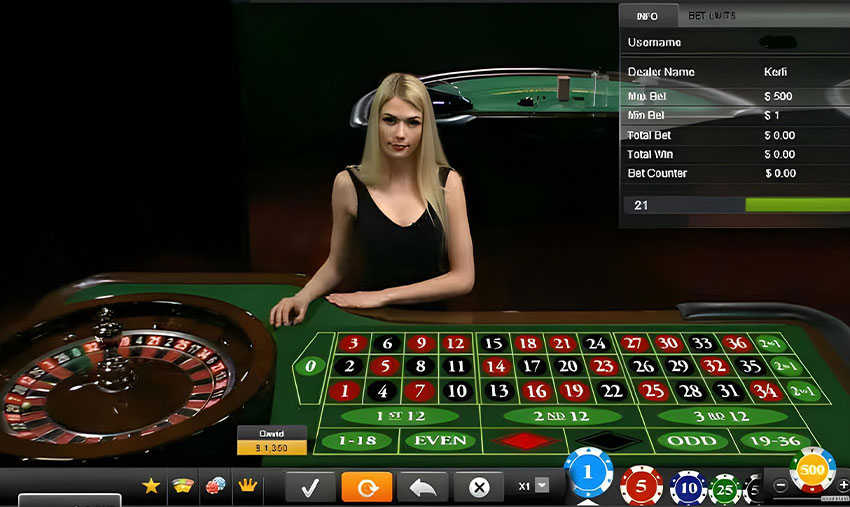
Golden Star Casino, operating under the Curaçao jurisdiction since 2012, provides Australian players with a hybrid platform combining over 3,000 online pokies and table games with a live sportsbook. The operator, managed by Dama N.V., supports instant payouts via cryptocurrency and MiFinity for verified accounts, though international bank transfers may take up to seven business days. New users can claim a first-deposit match of 100% up to A$1,000 plus 100 free spins using code GS100, but this bonus carries strict wagering conditions: a 40x requirement on the deposit and bonus sum, a maximum bet limit of A$1.50 while clearing, and a cashout cap of A$15,000. Slots contribute fully toward these requirements, whereas roulette and blackjack add only 5%. Players seeking higher withdrawal limits or reduced friction must engage with the VIP programme, which tracks Complimentary Points earned through real-money wagering.
How Debit Card Deposits Work at Offshore Casinos
A debit card deposit at an offshore casino follows a standard payment gateway process, but the transaction label on your bank statement rarely matches the gambling site’s name. Most operators use third-party payment processors to handle funds, which means the merchant descriptor will often show a generic company name or an abbreviated code instead of the brand you logged into.
| Feature | Typical Behaviour | What to Check |
|---|---|---|
| Merchant Descriptor | Appears as a payment processor or vague abbreviation | Compare against the confirmation email from the site |
| Currency Conversion | Applied by your bank if the site holds funds in USD or EUR | Review your bank’s international fee schedule |
| Transaction Decline Rate | Higher for cards linked to Australian banks due to compliance filters | Test with a low-value amount first |
The initial step requires selecting ‘Card Payment’ and entering the sixteen-digit number, expiry date, and CVV. Some sites request a deposit code or promotional identifier at this stage, though these are distinct from the security codes printed on the physical card. Once submitted, the request routes through the processor to the issuing bank. If the bank recognises the merchant category code (MCC) as gambling-related, it may automatically block the charge based on current domestic policies regarding unlicensed operators. This block happens instantly, usually without notifying the player that the specific reason is regulatory compliance instead of insufficient funds. Successful transactions appear on statements within seconds, while pending authorisations might drop off after twenty-four hours if declined. Always confirm the exact currency being charged; a $50 deposit on a US-licensed platform could cost more than fifty local dollars once conversion fees apply.
To qualify for the standard deposit bonus at GW Casino, you must transfer a minimum of AUD 30. Deposits below this threshold will not trigger any promotional credit or free spins, regardless of the payment method used. The platform accepts Visa, Mastercard, Neosurf, and cryptocurrencies like Bitcoin and Ethereum. While card transactions are instant, ensure your bank permits gambling-related charges to avoid declined payments.
Why Australian Banks Block Offshore Casino Deposits
Australian banks frequently reject online casino transactions not because of the merchant category alone, but due to how payment networks flag specific activity patterns. A deposit code that triggers a decline usually indicates a mismatch between the merchant’s classification and the bank’s risk parameters for international gambling entities.
The core issue lies in transaction routing. When an Australian debit card attempts a payment to an offshore operator, the request travels through international payment gateways. Banks employ automated fraud detection systems that scrutinise these cross-border movements. If the merchant is registered in a jurisdiction with high chargeback rates or lacks local banking presence, the system often blocks the transfer to prevent potential financial exposure.
| Feature | Domestic Bank Transfer | Offshore Card Deposit |
|---|---|---|
| Processing Network | Direct local clearing via domestic rails | International gateway (Visa/Mastercard) |
| Bank Risk Flag | Low; standard utility or retail pattern | High; classified as cross-border gambling |
| Decline Reason | Insufficient funds or account error | Merchant category restriction or fraud alert |
Players attempting to use deposit codes often encounter immediate declines despite having sufficient balance. This happens because the bank categorises the merchant under gambling services, which many institutions restrict by default policy. The block is rarely a manual review decision; it is an algorithmic response to the transaction’s origin and destination.
To understand why your specific attempt failed, check the decline message. "Do not honour" suggests a general refusal, often linked to the merchant’s country code. "Insufficient funds" when money exists points to a hold placed by the bank pending verification. Understanding these signals helps distinguish between a technical error and a deliberate policy block.
West Point Casino operates under Tasmanian gambling regulations that restrict how much cash you can access on-site. EFTPOS withdrawals for gambling purposes are capped at $200 per customer, limited to one transaction per day. If you need more immediate liquidity, the casino ATMs allow up to $400 in daily withdrawals. These limits apply regardless of your account balance or loyalty status, forcing players to plan their bankroll carefully before entering the gaming floor.
Withdrawing Casino Winnings to Debit Cards
The most significant hurdle for users of debit cards is not paying funds in, but withdrawing it. Licensed Australian wagering services are bound by strict anti-money laundering regulations and internal security protocols that dictate a ‘return-to-source’ rule. This means that if you deposit using a Visa or Mastercard debit card, the operator is generally required to withdraw your winnings back to that same card. You cannot typically choose an alternative method, such as bank transfer or e-wallet, for the initial withdrawal.
This rule exists to prevent money laundering and ensure that winnings are returned to the legitimate owner of the account. It has profound implications for your cash flow. Unlike some other payment methods where withdrawals are instant, returning funds to a debit card involves a reverse transaction process. This process is slower and requires coordination between the gambling operator, their payment processor, and your bank. As a result, withdrawal times can vary significantly.
In practice, a withdrawal to a debit card can take anywhere from 24 hours to five business days. The first step is always the operator’s internal processing. Before any money moves, the operator must verify your identity (KYC). If you have not uploaded your driver’s licence or proof of address, the withdrawal will be paused indefinitely. Once verified, the operator sends the request to their payment gateway. The gateway then instructs your bank to credit the funds back to your card account. Your bank then takes additional time to post the transaction to your available balance.
There are scenarios where the return-to-source rule becomes problematic. If you used multiple debit cards to deposit, the operator will usually split the withdrawal proportionally. For example, if you deposited $50 with Card A and $50 with Card B, and you have won $100, you might receive $50 back to each card. If you have closed one of the cards or changed banks, you will face administrative delays. You may need to provide evidence of the original account to prove ownership, or the operator may require you to withdraw the remaining balance to a new method after verifying your identity thoroughly. Always keep your original deposit cards active for as long as you have a balance with the operator.
Can I withdraw my casino winnings to a different bank account than the one I used to deposit?
Generally, no. Licensed Australian operators require withdrawals to go back to the original funding source for security and anti-money laundering reasons. If you cannot use the original card, you must contact customer support to initiate a manual review, which will likely require extensive identity verification and proof of ownership of the original account.
The minimum withdrawal at Katsubet is 20 EUR or the equivalent in other currencies, which sets the floor for any cashout request. Smaller balances stay in the account until they reach that threshold. Combined with the A$200 cap on free spin winnings, the practical range for most cashouts runs from about 20 EUR up to whatever the deposit play has earned.
Casino card games | baccarat bets ranked by house edge
Debit Card Security at Offshore Casino Sites
When depositing with a debit card at a casino operating outside Australian licensing, you’re trusting an offshore business with your card details and relying on technical safeguards instead of local regulatory protections. The security measures these sites implement—SSL encryption, PCI DSS-compliant payment processors, CVV verification—are standard payment industry practices, not guarantees enforced by an Australian regulator. What’s missing is the consumer protection framework that applies to Australian-licensed services: mandatory dispute resolution pathways, regulator oversight of operational security, and enforceable standards backed by local law.
Standard Payment Security Measures
Offshore casinos accepting debit cards typically use 128-bit or 256-bit SSL encryption to protect data transmitted between your browser and their servers. This encrypts your card number, CVV, and other payment details during transit, preventing interception by third parties monitoring network traffic. The padlock icon in your browser address bar indicates an active SSL connection. SSL protects the transmission; it doesn’t verify that the recipient is trustworthy or properly secures stored data.
Payment processors handling debit card transactions must comply with PCI DSS (Payment Card Industry Data Security Standard), a set of security requirements established by Visa, Mastercard, and other card networks. PCI DSS mandates how card data is stored, transmitted, and accessed, including requirements for network firewalls, encryption of cardholder data, restricted access controls, and regular security testing. Compliance is verified through annual audits. The casino itself often doesn’t store your full card number—the payment processor tokenises the card details and returns a reference token to the casino for future transactions.
CVV verification adds a security layer by requiring the three-digit code from the back of your card. Because CVV codes cannot be stored after a transaction is authorised under card network rules, possessing the CVV proves you have physical access to the card at the moment of deposit. This doesn’t prevent fraud if someone has copied or photographed your entire card, but it does block transactions made using only stolen card numbers from data breaches that didn’t capture CVV codes.
What’s Missing Compared to Australian-Licensed Services
Australian-licensed gambling operators—sports betting services, lotteries, land-based venues—operate under state or territory regulators who set and enforce security standards, operational requirements, and consumer protection rules. If a licensed operator suffers a data breach, mishandles funds, or engages in unfair practices, Australian regulators can investigate, impose penalties, suspend licences, and order remediation. Customers have access to formal dispute resolution through the operator’s regulator and can escalate unresolved complaints to independent bodies.
Offshore casino sites serving Australians operate without Australian regulatory oversight. They hold licences from jurisdictions like Curaçao, Malta, or Gibraltar, which set their own security and operational standards. These foreign regulators don’t answer to Australian law, and their enforcement priorities differ. If an offshore casino fails to protect your card data, processes unauthorised transactions, or refuses a legitimate withdrawal, you have no Australian regulator to contact. The offshore licensing authority may investigate complaints, but enforcement depends on that jurisdiction’s resources, priorities, and legal framework. Some offshore regulators maintain accessible complaint processes; others provide minimal customer recourse.
Australian consumer law protections that apply to domestic purchases don’t extend to offshore gambling transactions. Chargeback rights through your card issuer remain available for unauthorised transactions, but disputes about service quality, bonus terms, or refused withdrawals fall outside the scope of fraud protection. Your bank can reverse a transaction if someone stole your card and deposited without your knowledge. It won’t reverse a completed deposit because you later disagreed with the casino’s withdrawal conditions.
Identity Verification Before First Withdrawal
Offshore casinos require identity verification before processing your first withdrawal, regardless of which payment method you used to deposit. This isn’t unique to debit card transactions—the same verification applies whether you deposited with a card, e-wallet, cryptocurrency, or bank transfer. The requirement stems from anti-money-laundering regulations in the casino’s licensing jurisdiction, not Australian law.
Standard verification documents include a government-issued photo ID (passport, driver’s licence), proof of address dated within the last three months (utility bill, bank statement, council rates notice), and proof of payment method. For debit cards, this means a photo or scan showing the first six and last four digits of the card number, your name, and the expiry date. You must obscure the middle digits and the CVV code. Some casinos request a bank statement showing the deposit transaction or a selfie holding your ID next to your face.
The verification process typically takes 24 to 72 hours after you submit documents, though delays extend to a week or more if the casino requests additional documents or clearer images. Your withdrawal request enters a pending queue during verification. If documents are rejected for poor image quality, missing information, or expired dates, the clock restarts when you resubmit. This delay applies only to your first withdrawal. Once verified, subsequent withdrawals usually process without repeating document checks unless you change payment methods or your account shows unusual activity.
You’re sending copies of sensitive identity documents to an offshore business operating outside Australian privacy law. There’s no local regulator ensuring secure document storage or proper handling of your personal information. Reputable offshore operators use secure document upload systems and limit staff access to verification data, but enforcement of these practices depends on the offshore licensing authority, not an Australian agency you can hold accountable.
Lucky tiger casino real money | Navigating Real Money Play
What You Cannot Do When Disputes Arise
If you have a dispute with an offshore casino—refused withdrawal, confiscated winnings, unclear bonus terms, technical malfunction affecting a game outcome—you cannot escalate the matter to an Australian gambling regulator. State and territory regulators only oversee operators they’ve licensed. The Interactive Gambling Act doesn’t license offshore casino services, so no Australian regulatory body has jurisdiction over these operators or authority to investigate complaints about them.
Your options are limited to the casino’s internal complaint process and the offshore regulator’s dispute mechanism. Start by contacting the casino’s customer support with a clear description of the issue, relevant dates, transaction IDs, and screenshots. Document all communication. If the casino’s response is unsatisfactory or they don’t respond within a reasonable timeframe, check the licensing seal on the casino’s website for the regulator’s name and complaint portal. Curaçao eGaming, Malta Gaming Authority, and UK Gambling Commission each maintain complaint submission processes, though response times and outcomes vary.
Some offshore licensing jurisdictions offer alternative dispute resolution services. The UK Gambling Commission, for example, requires licensed operators to join an independent dispute resolution scheme such as eCOGRA or IBAS. These services review complaints and issue binding decisions when the casino agrees to participate. Operators licensed in less regulated jurisdictions may not be bound by any independent dispute mechanism. Check the casino’s terms and conditions for dispute resolution procedures prior to paying in money.
Australian law enforcement and consumer protection agencies have no direct authority over offshore gambling operators. You can report suspected fraud to your state police or the Australian Competition and Consumer Commission, but their ability to act is limited. ACCC can pursue misleading conduct by Australian-based affiliates promoting offshore casinos, but they can’t compel an offshore operator to refund your deposit or pay disputed winnings. Practical recourse depends entirely on the offshore operator’s willingness to resolve the issue and the effectiveness of their licensing regulator.
Credit Card Gambling Ban Context
In June 2024, Australian legislation banned the use of credit cards for all gambling transactions, including deposits at offshore casino sites. The ban applies to credit cards issued by Australian banks and targets the use of borrowed money for gambling. Debit cards remain legal for gambling because they draw from your existing funds instead of extending credit. This regulatory change reflects Australian policy prioritising harm minimisation by preventing gambling-related debt accumulation.
The credit card ban is enforced through Australian banks, which must block credit card transactions to gambling merchants regardless of the operator’s location. Offshore casinos can’t override this restriction—even if their payment processors technically accept credit cards, Australian-issued credit cards will be declined at the bank approval stage. Debit cards, prepaid cards loaded with your own money, and alternative payment methods like e-wallets continue to function for gambling deposits.
Using a debit card limits your gambling to money you already possess. You cannot spend beyond your account balance, which provides a natural financial boundary. This distinguishes debit card gambling from credit card gambling, where players could accumulate debt by wagering borrowed funds. The regulatory direction shows Australian authorities prioritising tools that prevent debt-fuelled gambling harm, even when those authorities lack direct control over offshore casino operations.
Operational transparency begins with verifying the entity behind the brand. Golden Star Casino is run by Novatrix SRL, a corporate structure that must adhere to the conditions set out in both the Tobique and Curaçao agreements. You can check these details against public registers to ensure the business remains active and compliant. If the company name changes or the licence status shifts, it signals a potential risk to your account stability.
Managing Debit Card Gambling and Getting Help
Debit cards prevent one specific harm that credit cards enable: gambling with borrowed money. When you deposit with a debit card, you’re spending funds already in your account, not accumulating debt. This distinction prompted the June 2024 ban on credit card gambling in Australia. The regulatory logic was straightforward—stopping credit-funded gambling reduces the risk that a losing session creates a debt burden beyond the initial loss.
That protection is real but limited. Using your own money doesn’t stop you from spending more than you intended or chasing losses. Debit cards still give immediate access to your full account balance, and offshore casinos processing your transactions impose no mandatory spending controls. The payment method blocks one path to financial harm while leaving others open.
What Responsible Gambling Tools Offshore Casinos Lack
Australian-licensed gambling services must integrate with BetStop, the national self-exclusion register managed by the Australian Communications and Media Authority. When you enrol in BetStop, every licensed bookmaker and wagering service in Australia receives your exclusion instruction and blocks your access. Offshore casino sites don’t connect to this system. An offshore operator has no visibility of your BetStop enrolment and no regulatory obligation to enforce it.
Many offshore casinos offer voluntary deposit limits and self-exclusion within their own platform. You can typically set daily, weekly, or monthly deposit caps through the settings for your account, and request temporary or permanent exclusion by contacting customer support. These are operator-controlled features, not regulator-enforced protections. The casino decides whether to approve your limit adjustment request, how long a cooling-off period applies, and what verification it requires before reinstating access after self-exclusion.
The difference matters when you’re trying to stop. A self-exclusion request to an offshore site depends on that operator’s willingness to process it correctly. You have no regulator to complain to if the casino allows you back in after a week, ignores your deposit limit, or makes the exclusion process deliberately inconvenient. Australian-licensed services operate under mandatory standards with audit and enforcement. Offshore sites operate under the standards their home jurisdiction requires, which may be minimal or unenforced.
Getting Help When Gambling Becomes a Problem
Gambling Help Online provides free, confidential counselling for Australians experiencing gambling problems, regardless of which payment method you use, where you gamble, or whether the service is licensed in Australia. Call 1800 858 858 any time, 24 hours a day. The service connects you with trained counsellors who can help you understand what’s happening, develop practical strategies to regain control, and access face-to-face support in your area if you need it.
Common signs that gambling has become harmful include spending more than you intended, chasing losses, borrowing money to gamble, neglecting responsibilities, or feeling anxious or irritable when you try to stop. These patterns emerge whether you’re depositing with a debit card, using an e-wallet, or playing pokies at a pub. The payment method is less important than recognising the behaviour and getting support before financial or personal consequences multiply.
If you’re concerned about how much you’re spending at offshore casinos, practical first steps include checking your bank statements to see your total deposits over the past month, setting a deposit limit within the casino platform even though it’s not enforced by a regulator, and speaking to your bank about blocking gambling merchants entirely. A conversation with Gambling Help Online can help you decide which steps make sense for your situation and whether more structured support would help.
Debit cards keep you from gambling on credit, but they don’t keep you from gambling more than you can afford to lose. The responsible gambling tools at offshore casinos are voluntary features, not mandatory protections. When you need help, the national support line is the same whether you’re playing at an offshore site, a licensed bookmaker, or a land-based venue: 1800 858 858.
Frequently asked questions
What happens if my debit card expires during verification?
An expired card will fail identity checks and block both deposits and withdrawals until updated. The system rejects the CVV or expiry date mismatch automatically. Upload a photo of the new card, masking all digits except the first six and last four, along with the expiry date. This document confirms ownership without exposing full financial data.
Processing usually takes 24 hours. Do not attempt repeated logins or transfers while the flag remains active, as this may trigger security locks. Once approved, the new card details link to your existing balance and bonus eligibility, ensuring no interruption to your gaming session.
Support for gambling concerns: Gambling Help Online 1800 858 858
If betting stops feeling like entertainment, the phone line Gambling Help Online on 1800 858 858 connects you with trained counsellors, and the same service runs a live chat and email option if talking is hard. BetStop, the national self-exclusion register, lets you block yourself from participating venues and online sites for a chosen period. Both actions are free and available to anyone 18 or over. Set a deposit limit before a session starts, when the figure is still a decision instead of a reaction, and never raise it to chase a loss. Gambling should stay money you can afford to lose.