Legal status decides deposits, withdrawals, dispute resolution and responsible gambling tools
Whether an online casino is legal in Canada depends on who holds the licence and where that licence was issued, not on how Canadian-friendly the site looks. A provincial gaming commission, such as one in Ontario or Québec, authorises operators within its own jurisdiction and its rules apply directly to the players and the operator. A licence from an offshore regulator can still permit Canadians to play, but the protections are those of that foreign authority and enforcement against a distant company is harder. The practical difference shows up in where a dispute goes, how fast a withdrawal can be pursued and which consumer rules the operator must follow. Check the licence holder’s name and the issuing regulator before treating a friendly site as local.
See also:
- How Canada’s Legal Framework Defines Online Casino Legality
- Operator comparison: operator details, games
- Licensing and Technical Fairness at Casino Extra
- Betobet: Curacao licensing and what it means for Canadian players
- Interwetten trust: MGA licence, dispute escalation and verification
- Bingo Billy – fairness certification and RNG testing
- Dreambet — how player data is handled
- What Actually Makes an Online Casino Legal for Canadian Players
- Practical Consequences of Legal Status for Canadian Players
- Frequently asked questions
- Keep Mobile Casino Play Within a Fixed Time and Spending Limit
How Canada’s Legal Framework Defines Online Casino Legality
The Criminal Code of Canada establishes the baseline: operating an unlicensed gambling site is illegal. This federal prohibition applies nationwide. However, the Code grants provinces and territories the authority to license and regulate gambling within their jurisdictions. That delegation creates the provincial patchwork defining legality today.
100 Free spins no deposit win real money
Provincial jurisdiction means each province decides whether to allow online casino gaming, who may operate it, and under what conditions. Some provinces have established competitive licensing frameworks open to private operators. Others maintain monopolies through government-owned lottery corporations. Still others have not introduced online casino regulation at all, leaving residents with access only to offshore-licensed operators whose provincial authorization has not been confirmed.
This provincial control has practical consequences. An operator legally authorized in Ontario does not automatically have authorization in British Columbia or any other province. A foreign licence—issued by Malta, Curaçao, the UK, or another jurisdiction—does not establish permission to serve Canadian players in any province. The relevant question is always whether the operator holds authorization from the province where you reside.
The federal Criminal Code prohibition targets operators, not individual players. While the Code makes it illegal for companies to operate unlicensed gambling sites in Canada, it does not explicitly criminalize Canadians who gamble on those sites. That distinction has allowed offshore operators to market to Canadian players despite lacking provincial authorization. However, the absence of criminal enforcement against players does not mean offshore operators are legal or that players have the same protections as they would with provincially authorized options.
Provincial regulatory bodies enforce local rules. In Ontario, the Alcohol and Gaming Commission of Ontario (AGCO) oversees operator licensing and compliance. Other provinces use lottery corporations such as Loto-Québec or the Alberta Gaming, Liquor and Cannabis Commission. These bodies set technical standards, approve games, monitor responsible gambling measures, and handle complaints. A province without a dedicated online gambling regulator has no local authority overseeing operator conduct or handling player disputes.
Because legality depends on provincial authorization, the answer to whether online casinos are legal in Canada requires naming the province. Ontario residents have access to AGCO-licensed operators through iGaming Ontario. Residents in provinces with lottery corporation platforms can use those government-run sites. Residents in provinces without either framework can access offshore-licensed operators, but those operators have not been confirmed as legally authorized to serve that province.
Betobet runs on a Curacao licence, so it meets the minimum regulatory bar for game fairness and data protection. The platform encrypts your connection with SSL to secure personal details during transfers. This setup works for standard transactions, but Curacao oversight lacks the strict enforcement powers of Malta or UK regulators. Dispute resolution can be slower here because the authority publishes fewer detailed complaint records. Before depositing money, verify recent player feedback directly on the site to confirm current service quality.
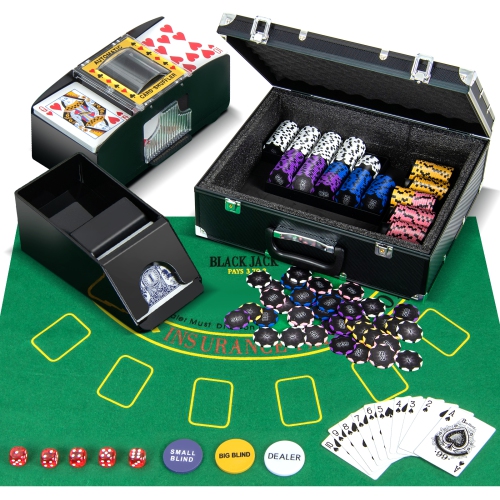
Operator comparison: operator details, games
Which licensed operator do you actually trust with your money?
| Brand | Details |
|---|---|
| Casino Extra | Licensed in regulated Canadian provinces with RNG-certified games. |
| Betobet | Curacao licence with SSL encryption, less rigorous than Malta or UK oversight |
| Interwetten | Malta Gaming Authority licence with escalation to the Authority for mediation |
| bingo billy | Certified RNG systems from reputable software providers govern game outcomes. |
| Dreambet | Data follows applicable privacy rules and the site’s privacy policy |
The selection at Bingo Billy matters most if it includes the kind of play you have in mind.
Licensing and Technical Fairness at Casino Extra
Casino Extra operates under gambling licences from recognised regulators, a status that matters for Canadian players in regulated provinces because it ties the operator to enforceable standards. Data protection follows applicable privacy laws, which limits how personal information is stored and shared. Games rely on certified random number generators to produce unbiased outcomes, so the mathematical model behind each spin or hand remains consistent instead of manipulated. Independent testing agencies may audit these systems periodically, adding a layer of external verification to the internal controls.
Betobet: Curacao licensing and what it means for Canadian players
Betobet operates under a Curacao gaming licence, which means it follows the baseline rules for fair play and data security that such a licence requires. The site applies SSL encryption to protect your personal information during transmission. That provides a reasonable level of protection for routine activity, but it is not the same protection a Malta or UK licence would bring. Curacao oversight is less rigorous: the regulator does not publish the same depth of complaint records or enforcement actions, and independent reviews change more frequently. If you are deciding whether to play, check recent reviews instead of relying on the licence itself as proof of safety.
Casino Rewards free spins no deposit Canada | Expiry dates
Interwetten trust: MGA licence, dispute escalation and verification
Interwetten operates under a Malta Gaming Authority licence, and that single fact determines how far Canadian players can go when a dispute reaches the regulator. The MGA licence means the operator is subject to ongoing oversight instead of a one-off approval, which is why unresolved issues can be escalated to the Authority for mediation instead of being left to the player to chase indefinitely. That pathway only works if the operator actually accepted the regulator’s jurisdiction, which is why the licence is the starting point instead of a guarantee of a specific outcome. Players should still try to settle with the operator first, since the mediation route is meant for cases that have already hit a wall. Keep in mind that the licence covers the legal offering of services, not every promotional detail, and the terms and conditions may be updated periodically, so checking the current text is the practical step before assuming an offer is fixed.
Bingo Billy – fairness certification and RNG testing
Bingo Billy relies on RNG systems certified by reputable software providers to determine game outcomes, which is the core mechanism behind its fairness claims. This means each spin or card deal is governed by a tested random number generator instead of operator discretion, so results cannot be nudged after the fact. The arrangement depends on the underlying provider keeping the certificate active; when a vendor updates its software, the certification applies to the new build, not legacy versions. Players who want a concrete check can open a game’s information screen and look for the provider’s name alongside a licence reference, then verify that provider against its own regulator’s public register. The limitation is practical instead of technical: a certificate shows the algorithm was audited at a point in time, and it does not guarantee the site is free from slower payouts or account restrictions.
Dreambet — how player data is handled
Dreambet protects player accounts with the same safeguards you would expect from any licensed casino operating in Canada. The site states that personal data is handled according to applicable data protection rules and its own privacy policy, which sets out what gets collected, how long it is kept and who it may be shared with. If you are weighing whether to deposit, check that section first: it is the document that tells you who controls your information and what rights you have over it.
What Actually Makes an Online Casino Legal for Canadian Players
Legality turns on provincial authorization, not the operator’s willingness to accept Canadian customers or the presence of a foreign licence. An operator can hold a legitimate licence from Malta, display that licence on its website, accept deposits in Canadian dollars, and still lack confirmed authorization to serve a specific Canadian province.
Provincial authorization requires explicit approval from the province’s regulatory body or government. In Ontario, that means an AGCO licence and registration with iGaming Ontario. In provinces with lottery corporations, it means the game appears on the government-run platform. In provinces without either framework, no operator currently holds confirmed provincial authorization regardless of foreign licensing.
Verifying an operator’s legal status involves checking the relevant provincial authority. Ontario residents can confirm AGCO licensing through the regulator’s public registry. Residents in lottery corporation provinces can verify authorization by checking whether the game appears on the provincial platform. Residents in provinces without online casino regulation cannot obtain confirmation of provincial authorization because no authorization framework exists.
Marketing materials and website claims do not establish legality. Operators may state they accept Canadian players, display a foreign licence seal, or claim compliance with Canadian law. Those statements do not confirm provincial authorization. The only reliable verification is the province’s own regulatory registry or platform.
The distinction between a foreign licence and provincial authorization matters because they establish different legal relationships and protections. A foreign licence means the operator has met standards set by that foreign jurisdiction and submitted to its oversight. Provincial authorization means the operator has permission to serve that province’s residents under local law and is subject to local regulatory enforcement. An operator can have one, both, or neither.
Some offshore operators argue that the absence of explicit prohibition by a province constitutes permission. That interpretation conflates the lack of criminal enforcement against individual players with legal authorization to operate. The Criminal Code prohibits unlicensed gambling operations. A province’s decision not to prosecute residents who gamble offshore does not grant operators authorization to serve that province.
Players deciding whether an operator is legal for their use should ask three questions: Does my province have an online casino regulatory framework? If so, does this operator hold authorization from that framework? If not, am I comfortable using an operator whose provincial authorization has not been confirmed? The first two questions have verifiable answers. The third is a personal risk assessment.
Alberta has been mentioned alongside Ontario as having a regulated online gambling market, though the specific regulatory structure differs from Ontario’s competitive licensing model. Confirmation of an operator’s status in Alberta requires checking the provincial authority responsible for licensing in that jurisdiction.
Dreambet relies on certified random number generators to determine game outcomes, with independent testing agencies conducting regular audits to verify fairness. This mechanism ensures that every spin or card draw remains statistically unbiased and free from operator manipulation. Players concerned about integrity should look for the specific certification seal on individual game pages, as it confirms the software has passed third-party scrutiny. Without this external validation, trust in the platform’s results would depend entirely on internal assurances.
Practical Consequences of Legal Status for Canadian Players
An operator’s legal status affects deposits, withdrawals, dispute resolution, and access to responsible gambling tools. Provincially authorized operators integrate with Canadian payment systems, follow local consumer protection standards, and submit to regulatory oversight. Offshore operators without confirmed provincial authorization rely on alternative payment channels and operate outside provincial consumer protection frameworks.
Payment Processing and Fund Security
Provincially licensed operators in Ontario can work directly with Canadian banks and payment processors. Players can fund accounts using Interac, direct bank transfers, and major credit or debit cards through standard domestic channels. Withdrawals return to the same Canadian financial institutions. Fund segregation requirements protect player balances from operator insolvency.
Offshore operators often route payments through intermediaries because Canadian financial institutions may decline to process transactions for operators lacking provincial authorization. Players may encounter third-party payment processors, cryptocurrency requirements, or international wire transfers. Withdrawal processing depends on the operator’s payment partnerships and can involve longer timelines or additional verification steps. Player fund protection depends on the foreign licensing jurisdiction’s requirements instead of Canadian provincial standards.
Dispute Resolution and Regulatory Recourse
When disputes arise with a provincially licensed operator, players can escalate unresolved issues to the provincial regulator. The AGCO in Ontario can investigate complaints, compel operator responses, and impose penalties including licence revocation. That regulatory backstop provides enforceable recourse when an operator fails to resolve a legitimate complaint.
Disputes with offshore operators must be resolved through the operator’s internal processes or escalated to the foreign licensing authority. No Canadian provincial regulator has jurisdiction over those operators. Foreign regulators vary in their responsiveness to individual player complaints and their willingness to enforce rulings against licensed operators. Players bear the burden of navigating foreign dispute resolution systems without local regulatory support.
Responsible Gambling Tools and Support
Provincial licensing frameworks mandate responsible gambling features. Ontario’s requirements include limits that apply to deposits, time limits, self-exclusion tools, reality checks, and access to problem gambling resources. Licensed operators must implement these features and maintain records. The regulator audits compliance.
Offshore operators may offer voluntary responsible gambling tools, but those features are not subject to Canadian regulatory audit or enforcement. A player seeking to self-exclude from all online gambling in their province can register with the provincial self-exclusion program for licensed operators. That exclusion does not extend to offshore operators, who maintain separate systems and have no obligation to honour provincial exclusion registrations.
Tax Reporting and Legal Clarity
Casino winnings in Canada are generally not taxable as income for recreational players. Professional gamblers who derive their income from gambling may face different tax treatment. Provincially licensed operators provide clear documentation of account activity. Offshore operators may provide less detailed records or records from foreign entities, complicating any necessary tax reporting.
Legal clarity itself carries value. Playing on a provincially authorized platform eliminates uncertainty about whether the operator is permitted to serve you. Players using offshore operators cannot obtain confirmation that those operators hold provincial authorization, leaving them in a legal grey area even if individual use is not criminally prosecuted.
Can I legally play online casino games in Canada?
You can legally play online casino games in Canada if you use an operator that holds authorization from your province. In Ontario, that means AGCO-licensed operators. In provinces with lottery corporations, use the provincial platform. In provinces without online casino regulation, no operator holds confirmed provincial authorization.
Unibet online casino bonuses | wagering
Does a foreign licence mean an online casino is legal in Canada?
A foreign licence confirms the operator meets that jurisdiction’s standards but does not establish authorization to serve Canadian provinces. Provincial authorization requires explicit approval from the province’s regulatory body or government, which foreign licensing alone does not provide.
Fastest withdrawal online casino canada
What happens if I have a dispute with an offshore online casino?
Disputes with offshore operators must be resolved through the operator’s own processes or escalated to the foreign licensing authority that issued their licence. No Canadian provincial regulator has jurisdiction to investigate or enforce rulings for operators without provincial authorization.
Unibet online casino bonuses | wagering
How do I verify an online casino is legal in my province?
Check your province’s regulatory authority. Ontario residents can search the AGCO public registry for licensed operators. Residents in lottery corporation provinces can verify games appear on the provincial platform. In provinces without online casino regulation, no operator holds confirmed provincial authorization.
Unibet online casino bonuses | wagering
Why does Ontario have more online casino options than other provinces?
Ontario launched a competitive licensing framework in April 2022 through iGaming Ontario, allowing multiple private operators to obtain AGCO licences. Other provinces either operate single government-run lottery corporation platforms or have not introduced online casino regulation, limiting options to offshore operators without confirmed provincial authorization.
Unibet online casino bonuses | wagering
Casino Extra holds gambling licences from recognised regulators, a condition that binds the operator to enforceable standards for Canadian players in regulated provinces. Personal data receives protection under applicable privacy laws, which dictates how information is stored and restricts its sharing. Certified random number generators drive game outcomes, ensuring mathematical consistency across spins and hands instead of manipulated results. Independent testing agencies may audit these systems periodically, providing external verification of internal controls.
Frequently asked questions
How do I know a site actually verifies my winnings instead of just showing a balance?
A running balance is internal accounting. Ask for a payment receipt issued when you cash out, not an account statement, because the receipt confirms the operator initiated the transfer to your bank or e-wallet. Treat an unchanged balance or a pending status as unprocessed, not as a guarantee of a payout.
Can I choose my deposit limits myself, and will a raise work immediately?
Yes, you can set deposit limits yourself, but the direction matters. Many platforms let you lower a limit instantly while imposing a waiting period before any increase takes effect. That asymmetry is the point: it stops an impulsive decision from overriding a deliberate one while still letting you lock spending down when you decide to.
Is a casino licensed in another country legal for me to play at in Canada?
Canada’s criminal code permits provinces to run their own sites, and it does not forbid residents from playing at operators licensed elsewhere. That legal gap is why offshore sites are common in the market. The trade-off is that a foreign licence does not place you under a Canadian regulator’s complaint system, so provincial recourse is limited to what the offshore authority offers.
Keep Mobile Casino Play Within a Fixed Time and Spending Limit
Play on the phone blurs the boundary between a quick session and hours of continuous betting. Start with a preset time window and a maximum deposit, then lock both before signing in. For example, cap a session at 30 minutes and $25; when either runs out, the app should no longer accept wagers. Do not add funds to reach a bonus threshold, and do not treat a small win as a reason to extend the limit. Mobile convenience should not erase the controls you set at the start.